Posted on — Leave a comment

7 Secrets to Massaging Your Cat!

.-eshoppX

Are you looking for a way to bond with your feline friend and provide them with some much-needed relaxation? Look no further! Massaging your cat is a great way to show them you care and help them de-stress. In this article, we will reveal the 7 secrets to successfully massaging your cat. Get ready to become a pro at pampering your kitty!

Why Should You Massage Your Cat?

Relaxation:

Just like humans, cats can benefit from a good massage to help them relax and unwind. Massaging your cat can help ease tension, reduce stress, and promote a sense of well-being.

Bonding:

Massaging your cat is a great way to strengthen your bond with them. It’s a form of physical touch that can help build trust and create a deeper connection between you and your furry friend.

Health Benefits:

Regular massages can improve your cat’s circulation, help with digestion, and even reduce the likelihood of certain health issues. It’s a holistic approach to caring for your cat’s overall well-being.

7 Secrets to Massaging Your Cat
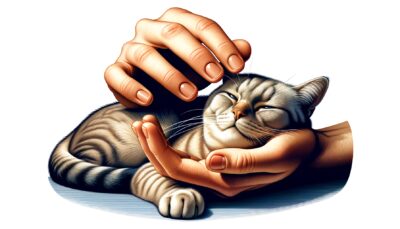
A pair of human hands gently petting a relaxed cat. The hands use soft strokes that slowly increase in pressure as the cat shows signs of comfort. The scene radiates warmth and trust, portraying a bonding moment between a human and their pet. The depiction is in a realistic style, high-definition with no text or Arabic numerals in the scene.

Start Slowly

To start, gently pet your cat to see how they’re feeling. Begin with soft strokes and then slowly increase pressure as your furry companion relaxes. Remember, every cat is different, so pay attention to their cues and adjust your petting style accordingly. Building trust and connection with your cat takes time and patience, so take it slow and enjoy the bonding experience.

Focus on Problem Areas

Hey there, cat parent! Make sure to really tune in to your cat’s body during a massage session. Pay attention to areas where your furry friend holds tension, like the neck, shoulders, and back. Use gentle circular motions and kneading techniques to release any knots or tight muscles you come across. It’s all about creating a relaxing and healing experience for your beloved kitty. So take your time and show them some love with a soothing massage session.

Use a Safe Environment

When choosing a location for your cat’s massage session, it’s important to select a quiet and relaxing space. This could be a cozy corner of your living room or a tranquil room with soft lighting. Transitioning your home into a soothing sanctuary will help your cat feel more at ease. Before beginning the massage, ensure that your furry friend feels secure and comfortable. Place their favorite blanket or toy nearby to create a sense of familiarity. By setting the stage for relaxation, you can enhance your cat’s overall experience and help them fully enjoy the soothing benefits of the massage.

Incorporate Treats

Show your precious cat how much you care by offering them their favorite treats both during and after their relaxing massage session. This will create a special bond between you and your furry companion, making them associate the massage with joyful rewards. Imagine how happy and content your cat will feel, knowing that they will be rewarded with delicious treats during and after their pampering session. This simple gesture will not only make your cat feel loved and appreciated but will also strengthen the bond between you and your loyal pet. So go ahead and spoil your cat with their favorite snacks while and after their massage for a truly delightful experience!

Be Mindful of Body Language

As you are massaging your cat, pay close attention to their reactions. Watch for signs of discomfort or agitation, such as tense body language, twitching ears, or attempts to move away. If you notice any of these signs, stop immediately and give your cat space. It’s important to remember that not all cats enjoy being touched in certain ways, and it’s crucial to respect their boundaries. Wait for them to relax before attempting the massage again, and always let them set the pace. Building trust and understanding with your cat is key to having a positive and respectful relationship.

Keep It Short and Sweet

When it comes to giving your cat a massage, less is often more. A few minutes at a time can do wonders to help your furry friend relax and enjoy the benefits. Remember, it’s not about the quantity of the massage, but the quality. Overdoing it can cause your cat to become stressed or uncomfortable. So, be gentle and take your time. Your cat will thank you for it with purrs of contentment.

An image in realistic style and high definition portraying a tender scene of a domestic cat gradually becoming comfortable with the idea of massages. The cat should be depicted in a cozy indoor setting, with its owner nearby, displaying patience and care. The owner could be softly speaking to the feline, with some treats nearby, creating a positive association with the massage. The image should emanate a calming and soothing ambiance, embodying important themes of trust, comfort, and bond. Arabic numerals and text should not appear in this image.

Practice Patience

Not all cats will immediately warm up to the idea of being massaged. It’s important to give them the space and time they need to feel comfortable. Be patient with your furry friend and allow them to come to you on their own terms. Remember, building trust and comfort takes time, so don’t rush the process. Approach your cat gently, speaking softly and offering treats or praise to create a positive association with the massage. Consistency is key – make sure to schedule regular massage sessions to help your cat become more accustomed to the process and to deepen your bond with them. With time, patience, and a gentle touch, your cat will learn to love and appreciate their massage time with you.


Posted on — Leave a comment

4 Tips for Choosing Your Cat’s Food!

.-eshoppX

Are you struggling to choose the best food for your feline friend? Worry not, as I have gathered 10 fantastic tips to help you navigate the world of cat food. From kibble to wet food, from flavors to ingredients, we’ve got you covered!

Why is Choosing the Right Cat Food Important?

It affects your cat’s health:

Your cat’s diet plays a crucial role in their overall health and wellbeing. The right food can help prevent diseases, keep their fur shiny, and maintain a healthy weight.

All cats are different:

Just like humans, cats have different tastes and dietary needs. What works for one cat may not work for another. It’s important to find the best food that suits your individual cat.

Avoiding food allergies and sensitivities:

Some cats may have allergies or sensitivities to certain ingredients in their food. Choosing the right food can help avoid digestive issues, skin problems, and overall discomfort.

Tips for Choosing the Best Cat Food

Consider your cat’s age and health

Hey there, cat parent! When it comes to picking out the right food for your beloved furball, it’s crucial to consider their age and any health issues they may have. Whether you have a playful kitten, a sophisticated adult, or a wise senior cat, their nutritional needs vary and it’s important to choose a cat food that suits their stage in life. If your feline friend has any specific health concerns, like allergies or sensitivities, it’s best to consult with your vet for personalized recommendations. Your vet can provide insight on what ingredients to look for or avoid to ensure your kitty stays happy and healthy. Remember, every cat is unique, so take the time to find the perfect cat food that will keep your furry companion purring with delight!

Visualize a scene where a person is in a pet store aisle lined with various brands of cat food. As they carefully read the labels, select a product with real meat listed as a primary ingredient. Please depict the individual as a South Asian female with attention to detail in expressing the seriousness of the task. Also, picture a cat sitting in the shopping cart, watching her owner make the decision. Ensure the scene looks high-quality and realistic without any text or numerals.

Read the ingredients list

When it comes to selecting cat food for your beloved feline companion, it is crucial to choose a product that is not only high-quality but also easily digestible. Your pet’s health and well-being depend on the ingredients you feed them, so make sure to avoid foods that contain fillers, by-products, and artificial additives. These ingredients can be harmful to your cat’s digestive system and overall health. Instead, opt for a product that lists real meat as the first ingredient. This will ensure that your cat is getting the essential nutrients they need to thrive and maintain a healthy lifestyle. Remember, your furry friend deserves the best, so always read the labels and choose wisely when it comes to their nutrition.

Create a high detailed realistic interface of two plates. On the left, a serving of gourmet wet cat food, presented with an appetizing look, perhaps with some gravy and chunks of meat visible. On the right, a serving of dry cat food with a variety of shapes and colors, suggesting different flavors. The background should be a typical kitchen setting with neutral tones. No text or Arabic numerals should be included in the render. The overall mood of the image should be warm and inviting to reflect a scene of pet-friendly experimentation.

Try different formulas and flavors

Hey there, cat parent! It’s important to keep things interesting for your fur baby by mixing it up with different types of food. Some kitties may be all about that wet food life, while others might be die-hard dry kibble fans. So why not try a little bit of both and see what your cat prefers? You never know, they might surprise you with their pickiness or adventurous palate. It’s all about experimenting and finding out what your furry friend enjoys the most. Trust me, their happiness is worth the extra effort!

Design an image of a happy, healthy cat that appears well-nourished and content. The cat is surrounded by different types of cat food that are all presumably compliant with the standards set by the Association of American Feed Control Officials (AAFCO). The food types vary, showing different textures and colors to represent variety in diet. Paint this image in a realistic style with high definition but remember no text or numerals should be included in the picture.

Check for AAFCO certification

When it comes to feeding your beloved cat, it’s essential to look for cat foods that meet the Association of American Feed Control Officials (AAFCO) standards. These standards ensure that the food is nutritionally complete and balanced for your cat’s specific life stage, providing them with the essential nutrients they need to thrive. By choosing a food that meets AAFCO standards, you can rest assured that you are giving your furry friend the best possible nutrition to keep them healthy and happy for years to come.

Posted on — Leave a comment

How to train A cat to walk outside? 5 tips

training your cat to walk outside-eshoppX

Are you tired of your cat always wanting to stay indoors? Do you wish you could take them for a walk outside like a dog? Well, with a little patience and some training, you can! Training a cat to walk outside is not as difficult as it may seem. In fact, it can be a fun and rewarding experience for both you and your feline friend. Here are 5 tips to help you get started on this exciting journey.  How to train a cat to walk outside? Please read this article in detail with me

Why train your cat to walk outside

Cats need exercise:

Just like humans, cats need regular exercise to stay healthy and happy. Walking outside can provide them with mental stimulation and physical activity that they can’t get indoors.

Bonding experience:

Taking your cat for a walk can help strengthen the bond between you and your furry companion. It’s a great way to spend quality time together and create special memories.

Reduce boredom:

Indoor cats can get bored easily and may exhibit destructive behavior. Going for a walk outside can offer them a change of scenery and keep them entertained.

5 Tips for you

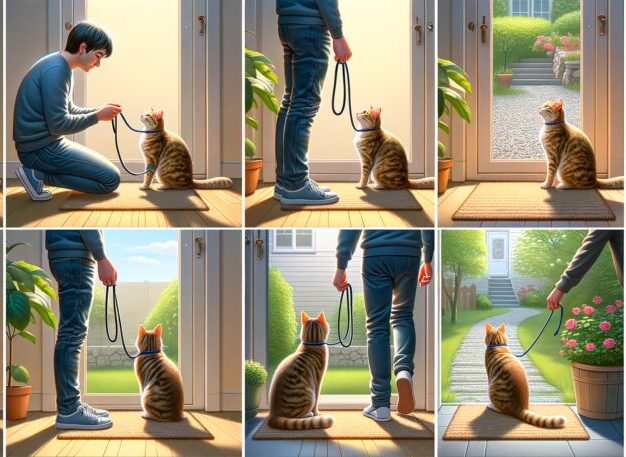
Create an HD image in a realistic style depicting a slowly-paced sequence of a feline familiarizing itself with a harness and a leash. The scene commences with the curious feline sniffing and exploring the gear. Progressively, the harness is put on the cat indoors for breached periods, allowing it to get accustomed to the feel of the gear. Highlighting the significance of patience and comfortable assimilation of the cat to the harness. Do not include any text or arabic numerals in the image.

Start slow

First off, don’t rush your cat into wearing a harness and leash. Take it slow and let them get comfortable with the gear. Start by showing it to them and letting them sniff and explore it. You want them to associate the harness with positive experiences. Once they seem curious and interested, gently put the harness on them for short periods indoors. Let them get used to the feeling of wearing it before trying to take them outside. Remember, patience is key when introducing new things to your feline friend.

Create an image that conveys the importance of a well-fitted cat harness and leash for safe outdoor adventures. It should illustrate a cat, appearing content and secure, wearing a harness instead of a collar to stress the benefits of the former. The cat displaying Houdini-like antics to emphasize the risk of escape when using a collar. Be sure to depict the scene realistically and in high definition. Remember to avoid the inclusion of text and Arabic numerals in the picture.

Choose the right gear

Investing in a well-fitting harness and leash designed specifically for cats is crucial for keeping your feline friend safe and secure during outdoor adventures. Collars can be dangerous, especially if your cat is a little Houdini and tries to wriggle free. A harness provides better control and eliminates the risk of choking if your cat gets tangled up. Remember, your cat’s safety should always come first, so opt for a harness and leash combo that fits comfortably and securely. Your furry companion will thank you for it!

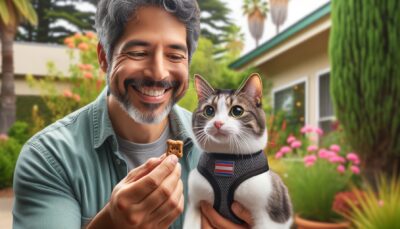
Please generate a high-definition, realistic image of a domestic short-haired cat wearing a small, comfortable harness. The cat, coloured in shades of grey and white, is looking content and curious, expressing its good behavior. Its human, a Hispanic man with a broad smile, is bending down to present a tasty kitty treat as a reward. The background is an outdoor setting - a lush garden with blooming flowers and tall green trees, representing the world the cat is about to explore. There should be no text or Arabic numerals anywhere in the picture.

Use positive reinforcement

When it comes to getting your cat used to wearing a harness and going for walks outside, positive reinforcement is key. Whenever your furry friend shows good behavior while wearing the harness, like staying calm or taking a few steps, make sure to reward them with treats and praise. This will help them associate the harness with good things and create a positive experience. Cats are smart creatures, and they respond well to rewards and encouragement. By consistently rewarding them for positive behavior, you can motivate them to continue walking outside and exploring the world around them. So next time your cat successfully wears the harness without fuss, don’t forget to show them some love and give them a tasty treat to reinforce their good behavior.

An illustration in a realistic style, HD resolution, showing a furry pet cat experiencing its first outdoor adventure. A quiet and peaceful park is chosen for the adventure, away from the hustle and bustle of busy streets. The image depicts the kitty, curious and a little cautious, carefully stepping on grass, sniffing the fresh air and looking around, soaking in all the new sights and sounds. The focus of the picture is on conveying a sense of calm, caution, and gradual introduction to a new environment.

Pick a quiet location

Hey there, when it’s time for your furry friend’s first outdoor adventure, make sure to pick a quiet and peaceful spot. You wouldn’t want your cat to be overwhelmed by loud noises or busy streets, right? Start off slow and steady, introducing new environments gradually as your kitty gets more comfortable with the great outdoors. Remember, patience is key when it comes to helping your cat feel safe and secure during their outdoor escapades.

Create a high-definition, realistic style image. The scene depicts an individual training a cat to take a walk outdoors. The person shows patience, dedication, and gentleness throughout the process. The cat might display signs of stubbornness, but the comfort and well-being of the cat are prioritized. The setting appears to be a calm neighborhood, with the person and the cat attempting short walks.

Be patient

Alright, so training a cat to walk outside ain’t no walk in the park, let me tell you. It takes time and patience, and some cats might be a bit more stubborn than others. But hey, with some love and dedication, you can get there. Just remember to take it slow and steady, and always be consistent with your training. Don’t rush it or force your kitty to do something they ain’t comfortable with. Your cat’s comfort and well-being should always come first, no matter what. Just keep at it, be gentle and understanding, and before you know it, you’ll be strolling through the neighborhood with your feline friend like a pro.

How to train a cat to walk outside? maybe you got the tips now , go to try it.

Posted on — Leave a comment

How to Stop Cat Biting When Playing

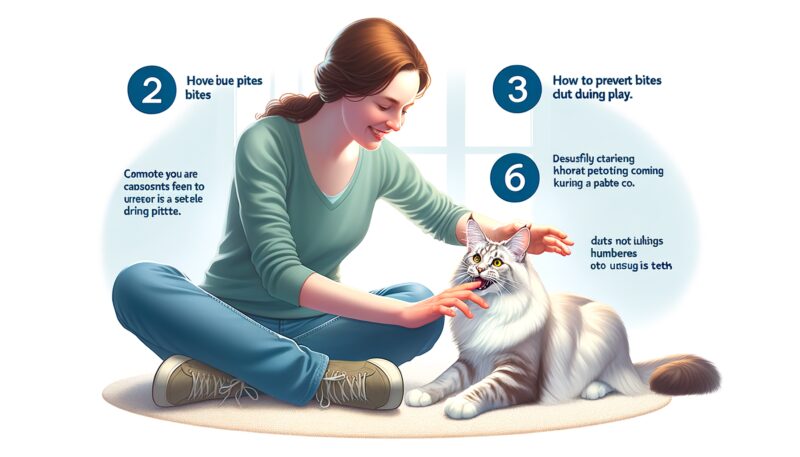
Create a realistic image of a playful scene involving a human and a cat.

Are you tired of your playful feline friend turning playtime into a painful experience with their biting?How to stop cat biting when playingtime? Don’t worry, we’ve got you covered! In this article, we will explore the reasons behind why cats bite during play and provide you with some effective solutions to help stop cat biting. Let’s make playtime with your cat fun and bite-free!

Reasons Why Cats Bite During Play

Cats use their mouths to explore and play:

Cats are natural predators and using their mouths to play is instinctual for them. By biting during play, they are mimicking hunting behaviors such as catching prey.

Overstimulation and excitement:

When cats become overly excited during play, they may lose control and start biting. Biting is a way for them to release excess energy and excitement.

Teething and dental issues:

Just like humans, cats go through teething phases and can experience dental pain. Biting during play may provide relief for their sore gums and teeth.

Lack of socialization and training:

Cats that were not properly socialized as kittens or have not been trained to play appropriately may resort to biting as a form of communication or play.

How to Stop Cat Biting When Playing?Effective Solutions for you

Provide appropriate toys for play

Hey there, I know how frustrating it can be when your furry friend starts using you as a chewing toy. But don’t worry, there’s a simple solution! Offer a variety of interactive toys such as feather wands, laser pointers, or stuffed animals to redirect your cat’s biting behavior onto appropriate objects. This way, your cat can still indulge in their natural hunting instincts without leaving you covered in scratches. Trust me, it’s a win-win situation for both you and your kitty. So go ahead and give these toys a try – you’ll both be happier for it!

Use positive reinforcement and rewards

Hey there, kitty parent! Want to make sure your fur baby is playing nice and not biting? Well, one way to do that is by rewarding them with treats or praise whenever they play without biting. Think of it as a little high five for being a good kitty! Positive reinforcement is key here – by giving them a little something special when they play nicely, they’ll start to learn what proper play etiquette looks like. Before you know it, your cat will be the picture of good behavior, all thanks to your love and positive reinforcement. Keep it up, you’re doing great!

Imagine a realistic, high-definition scene showing a playful interaction between a human and a cat. The human, expressing gentleness and firmness, is steering the energetic cat away from a biting habit towards a safer form of play, such as interacting with a toy. Notice the subtle cues of body language and verbal communication from the human that convey the boundaries of the playtime. No textual information and no Arabic numerals are visible in the scene. This scene speaks to the delicate balance achieved through love, care, and a good understanding - all vital elements of a positive pet-owner relationship.

Set boundaries and communicate effectively

When it comes to playtime with your furry friend, it’s important to establish clear boundaries to ensure a fun and safe experience for both of you. One way to do this is by redirecting your cat’s focus away from biting and towards more gentle forms of play. You can do this by using verbal cues and body language to communicate when biting is not acceptable. For example, if your cat starts to bite during play, you can say ‘no’ firmly and gently redirect their attention to a toy or another form of play that doesn’t involve biting. By consistently reinforcing this boundary, your cat will learn what is and isn’t acceptable behavior during playtime. Remember, setting boundaries is a form of love and care for your cat, and it will help strengthen your bond with them in the long run.

How to Stop Cat Biting When Playing, maybe now you have the answer, go to try it!